Shark Week: The Ultimate Guide to TV's Biggest Shark Celebration
Shark Week: Everything You Need to Know
Every summer, shark enthusiasts, ocean lovers, and curious viewers eagerly anticipate one of television's most exciting annual events: Shark Week. Packed with breathtaking underwater footage, scientific discoveries, conservation stories, and heart-pounding encounters, Shark Week has become a cultural phenomenon that captivates millions worldwide.
Whether you're a lifelong marine biology fan or simply looking for entertaining summer programming, Shark Week offers something for everyone. From great white sharks breaching the ocean's surface to hammerheads gliding through tropical waters, viewers get an up-close look at some of the ocean's most fascinating predators.
In this guide, we'll explore everything about Shark Week, including its history, why it's so popular, incredible shark facts, the different species featured, and tips for making the most of this exciting television event.
What Is Shark Week?
Shark Week is an annual television programming event dedicated entirely to sharks. It features documentaries, educational programs, expert interviews, breathtaking underwater cinematography, and exciting adventures centered around shark research and ocean exploration.
Each year, viewers can expect:
New shark documentaries
Scientific expeditions
Conservation stories
Shark behavior research
Underwater photography
Interviews with marine biologists
Family-friendly educational content
Incredible real-life shark encounters
The programming celebrates sharks while educating audiences about their importance in marine ecosystems.
The History of Shark Week
Shark Week first premiered in 1988 as an educational television event designed to promote shark conservation and increase public understanding of these misunderstood animals.
What started as a small collection of documentaries has evolved into one of television's longest-running themed programming events.
Over the decades, Shark Week has expanded to include:
International expeditions
Advanced underwater filming technology
Drone footage
High-speed underwater cameras
Shark tagging missions
Conservation projects
Interactive digital experiences
Today, millions of viewers tune in every year.
Why Is Shark Week So Popular?
Several factors contribute to Shark Week's enduring popularity.
Incredible Footage
Modern camera technology allows filmmakers to capture breathtaking underwater scenes that were impossible just a few decades ago.
Viewers can witness:
Great white breaches
Sharks hunting
Massive schools of fish
Rare deep-sea species
Close encounters with divers
Educational Entertainment
Shark Week blends science with entertainment, making marine biology accessible for viewers of all ages.
Episodes often explain:
Shark anatomy
Migration
Hunting techniques
Conservation efforts
Ocean ecosystems
Adventure
Many programs follow researchers into remote parts of the world to study elusive shark species.
These expeditions often include:
Cage diving
Open-water diving
Satellite tagging
Remote underwater exploration
Stunning Ocean Cinematography
Shark Week is famous for spectacular visuals featuring crystal-clear water, coral reefs, deep ocean environments, and breathtaking marine life.
Most Popular Shark Species Featured During Shark Week
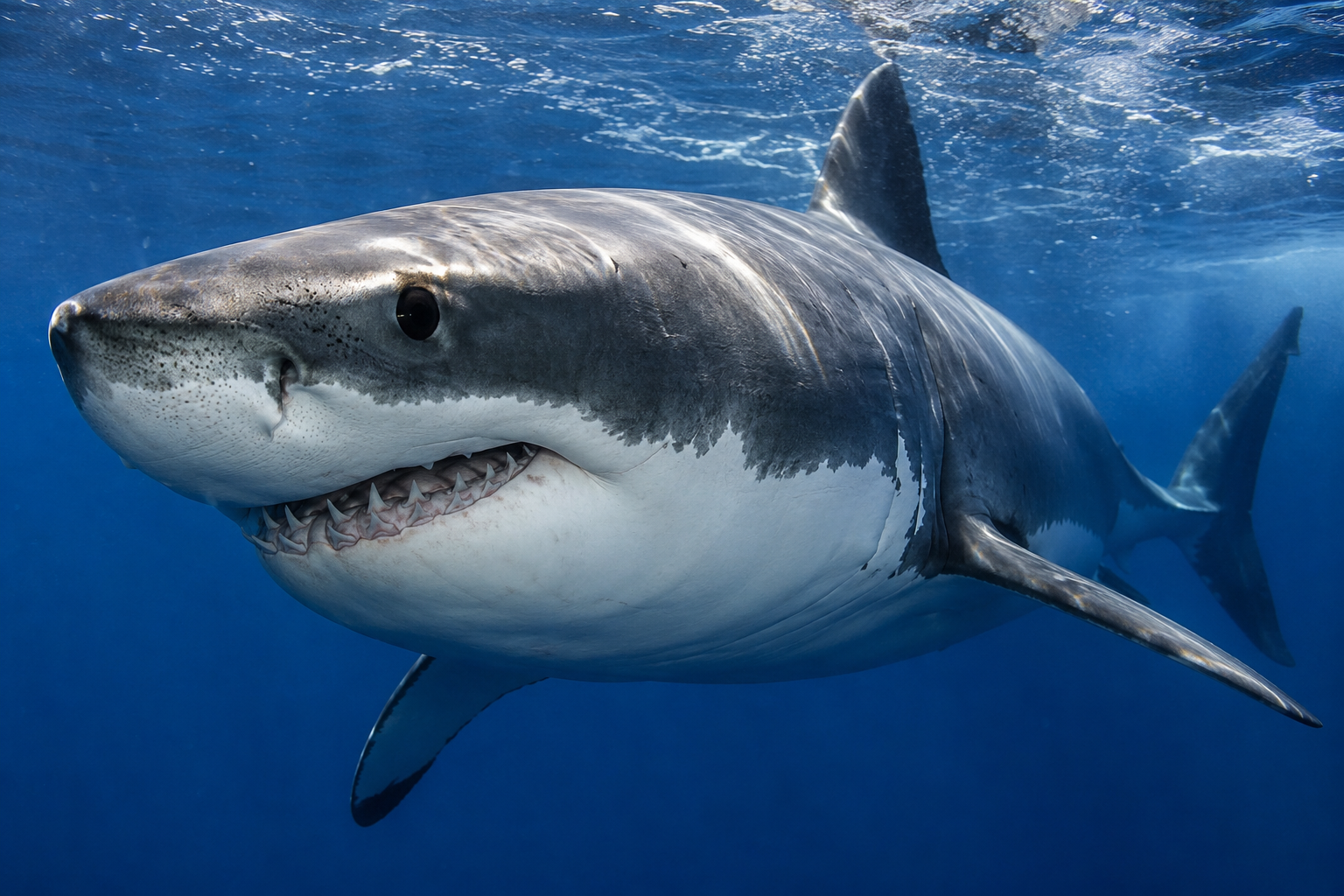
Great White Shark
The great white is the superstar of Shark Week.
Known for:
Massive size
Powerful hunting abilities
Spectacular breaching behavior
Worldwide popularity
Great whites can exceed 20 feet in length.
Tiger Shark
Tiger sharks are recognized by the dark vertical stripes that appear on younger sharks.
Interesting facts:
Opportunistic feeders
Found in tropical waters
Excellent swimmers
Highly adaptable
Hammerhead Shark
Hammerheads are instantly recognizable thanks to their uniquely shaped heads.
Their unusual appearance helps them:
Detect prey
Improve maneuverability
Increase vision range
Whale Shark
Despite their enormous size, whale sharks are gentle filter feeders.
They primarily eat:
Plankton
Tiny fish
Fish eggs
Whale sharks are the largest fish on Earth.
Bull Shark
Bull sharks are famous for their ability to survive in both saltwater and freshwater.
They've been found in:
Rivers
Lakes
Estuaries
Coastal oceans
Mako Shark
Makos are among the fastest sharks in the ocean.
Some species can reach speeds over 40 miles per hour.
Blacktip Shark
Blacktip sharks are often featured in migration documentaries.
They're known for:
Acrobatics
Coastal habitats
Large seasonal schools
Fascinating Shark Facts
Sharks Are Ancient
Sharks have existed for over 400 million years, making them older than dinosaurs.
Hundreds of Species Exist
There are more than 500 known shark species, ranging from tiny dwarf lanternsharks to enormous whale sharks.
Sharks Rarely Attack Humans
Despite their fearsome reputation, shark bites are extremely rare.
Humans pose a far greater threat to sharks than sharks do to people.
Sharks Help Ocean Ecosystems
As apex predators, sharks help maintain healthy marine ecosystems by regulating prey populations.
Sharks Have Incredible Senses
Many species can detect:
Electrical signals
Tiny vibrations
Blood in the water
Temperature changes
How Scientists Study Sharks
Many Shark Week episodes follow marine researchers conducting important scientific work.
Common research methods include:
Satellite Tagging
Scientists attach tracking devices that monitor shark migration over thousands of miles.
Drone Surveys
Drones provide safe aerial views of shark behavior near coastlines.
Underwater Cameras
Specialized cameras capture natural shark behavior without disturbing marine life.
DNA Sampling
Researchers collect genetic information to better understand shark populations and biodiversity.
Shark Conservation
One of Shark Week's biggest goals is promoting conservation awareness.
Many shark species face significant threats, including:
Overfishing
Habitat destruction
Bycatch
Climate change
Pollution
Illegal finning
Conservation organizations work to protect sharks through research, protected marine areas, sustainable fishing practices, and public education.
Myths About Sharks
Myth: Sharks Are Mindless Killers
Reality: Sharks are highly evolved predators that play essential ecological roles.
Myth: All Sharks Are Huge
Reality: Some sharks are less than one foot long.
Myth: Every Shark Is Dangerous
Reality: Most shark species pose little or no threat to humans.
Myth: Sharks Constantly Hunt Humans
Reality: Humans are not a natural food source for sharks, and attacks are exceptionally uncommon.
Family-Friendly Ways to Celebrate Shark Week
Shark Week can be educational and fun for the whole family.
Ideas include:
Watch documentaries together.
Visit a local aquarium.
Read books about marine life.
Create shark-themed crafts.
Host a Shark Week movie night.
Bake shark-themed treats.
Learn about ocean conservation.
Complete shark trivia challenges.
Shark Week Activities for Kids
Children can enjoy interactive learning through:
Shark fact sheets
Ocean scavenger hunts
DIY shark crafts
Educational puzzles
Marine biology videos
Aquarium visits
These activities help build curiosity while teaching respect for ocean wildlife.
Shark Photography During Shark Week
Many viewers are inspired by the incredible underwater photography featured throughout Shark Week.
Popular photography subjects include:
Great white breaches
Coral reefs
Schools of fish
Underwater caves
Open ocean landscapes
Shark silhouettes at sunset
These breathtaking images often become favorites for wallpapers, social media, and ocean-inspired décor.
Tips for Enjoying Shark Week
Make the most of Shark Week by:
Planning your viewing schedule in advance.
Watching with family or friends.
Keeping a notebook of interesting shark facts.
Looking up the species featured in each episode.
Following marine conservation organizations to learn more.
Exploring educational resources after each documentary.
Why Sharks Matter
Healthy shark populations contribute to healthy oceans. By maintaining balance within marine food webs, sharks indirectly support coral reefs, fisheries, and countless other marine species.
Learning more about sharks helps replace fear with understanding and encourages responsible ocean stewardship.
Final Thoughts
Shark Week has become much more than a television event. It combines adventure, science, conservation, and breathtaking filmmaking to inspire curiosity about one of the ocean's most remarkable animals.
Whether you're fascinated by the immense size of whale sharks, the speed of makos, or the iconic great white, Shark Week offers an exciting opportunity to explore the underwater world while gaining a deeper appreciation for the role sharks play in maintaining healthy oceans.
As each new season introduces fresh discoveries, cutting-edge research, and spectacular footage, Shark Week continues to educate and entertain audiences of all ages. So gather your family, dive into the documentaries, and celebrate the incredible diversity and importance of sharks during this unforgettable annual event.