Weird Animals: 35 of the World's Strangest Creatures You Have to See to Believe
Weird Animals: Nature's Most Bizarre and Fascinating Creatures
The natural world is filled with incredible biodiversity, but some species stand out because they look almost too strange to be real. From mammals with enormous noses to fish that resemble blobs of jelly, weird animals have evolved unusual features that help them survive in some of Earth's harshest environments.
Whether you're fascinated by rare wildlife, looking for fun animal facts, or simply love discovering unusual creatures, this guide explores some of the weirdest animals on the planet and explains what makes each one so extraordinary.
Why Do Weird Animals Exist?
Animals don't evolve to look strange—they evolve to survive.
Features that seem bizarre to humans often provide important advantages, including:
Finding food more efficiently
Escaping predators
Attracting mates
Surviving extreme temperatures
Living in deep oceans
Blending into their environment
Every odd-looking adaptation tells a story about evolution and survival.
1. Axolotl
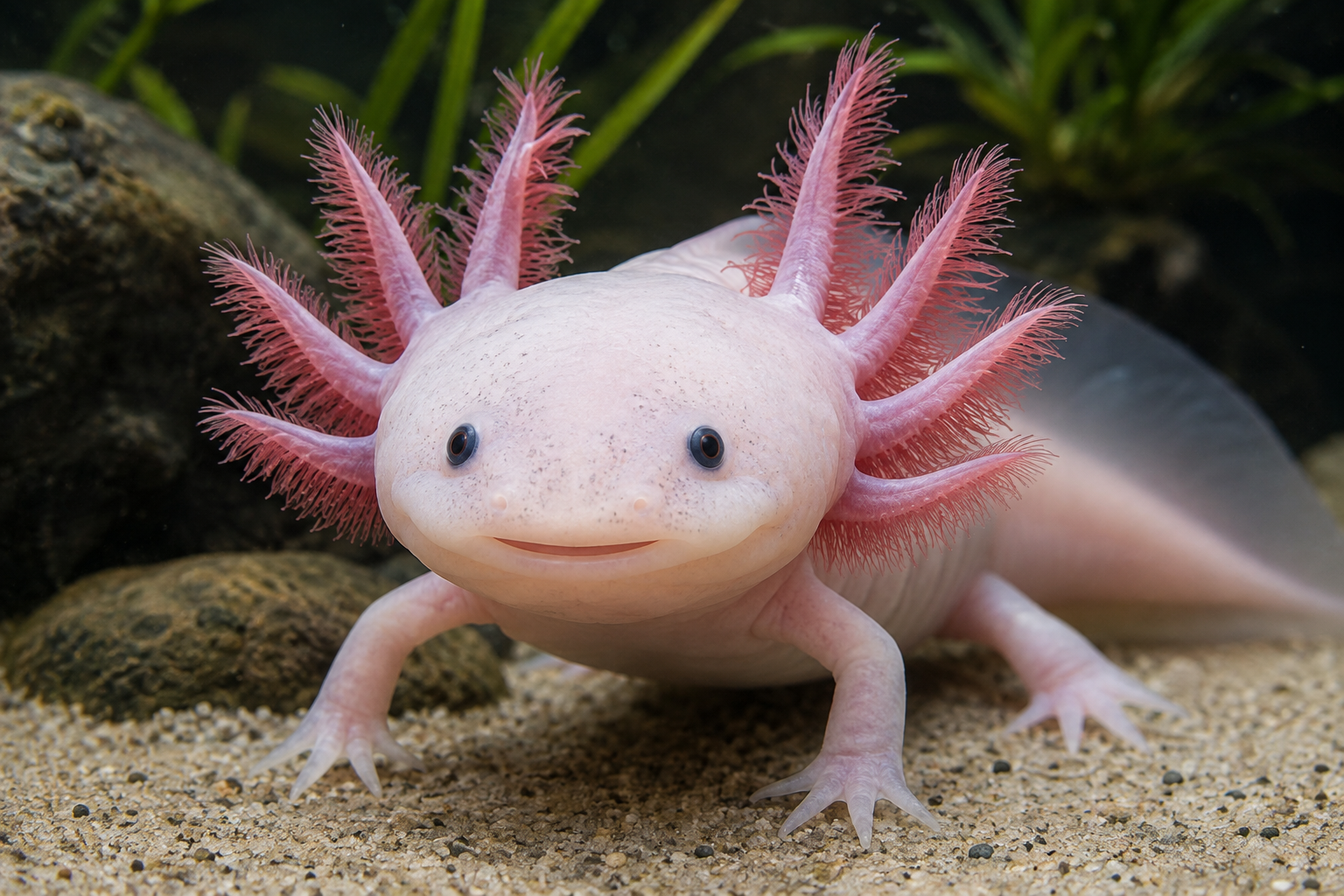
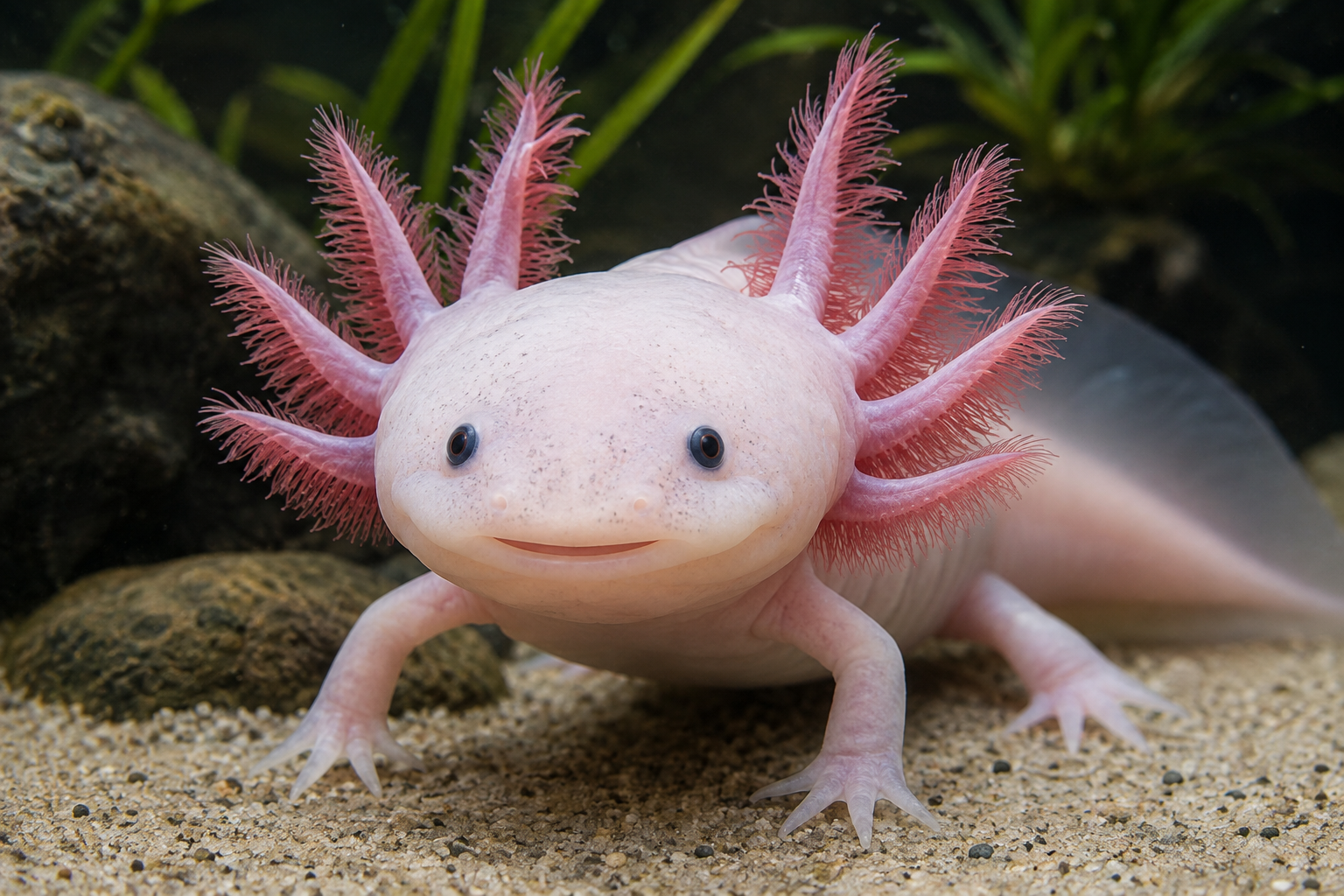
The axolotl is one of the world's most recognizable weird animals.
Native to Mexico, this aquatic salamander never fully grows into its adult form. Instead, it keeps its feathery external gills throughout its entire life.
Weird Facts
Can regenerate limbs
Can regrow parts of its heart and brain
Smiles permanently
Lives underwater its entire life
2. Blobfish
Often voted the world's ugliest animal, the blobfish only looks "blobby" when brought to the surface.
In its natural deep-sea habitat, water pressure supports its body, giving it a much more normal appearance.
Fun Fact
Blobfish have very little muscle because they simply float above the ocean floor waiting for food.
3. Aye-Aye
This unusual primate from Madagascar has enormous eyes, bat-like ears, and an extremely long middle finger.
It uses that finger to tap on trees and locate insects hidden inside the wood.
Scientists call this behavior "percussive foraging."
4. Narwhal
Nicknamed the "unicorn of the sea," the narwhal possesses a spiral tusk that can grow over 10 feet long.
The tusk is actually an elongated tooth packed with millions of nerve endings.
5. Saiga Antelope
The saiga antelope is instantly recognizable because of its oversized, flexible nose.
This unusual snout helps:
Filter dust
Warm cold winter air
Cool hot summer air
6. Star-Nosed Mole
The star-nosed mole may have the most unusual nose in the animal kingdom.
Its nose contains 22 fleshy appendages covered with thousands of sensory receptors.
It can identify food in less than a quarter of a second.
7. Shoebill
Standing nearly five feet tall, the shoebill resembles something from the dinosaur age.
Its massive shoe-shaped bill allows it to catch:
Fish
Frogs
Baby crocodiles
Snakes
Its intense stare has made it famous online.
8. Goblin Shark
Known as a "living fossil," the goblin shark has existed for over 100 million years.
Its most bizarre feature is its extendable jaw, which shoots forward to grab prey.
9. Pink Fairy Armadillo
The smallest armadillo species looks almost like a tiny pink toy.
This nocturnal animal spends most of its life underground in Argentina.
10. Glass Frog
Glass frogs have translucent skin on their underside.
You can actually see many of their internal organs through their belly.
11. Dumbo Octopus
Named after Disney's flying elephant, the Dumbo octopus uses ear-like fins to swim gracefully through the deep ocean.
It lives thousands of feet below the surface.
12. Pangolin
Covered entirely in scales, pangolins resemble walking pinecones.
When threatened, they curl into a nearly impenetrable ball.
Sadly, they are among the world's most trafficked mammals.
13. Fossa
Native to Madagascar, the fossa looks like a cross between:
A cat
A dog
A mongoose
It is the island's largest predator.
14. Leafy Sea Dragon
Closely related to seahorses, leafy sea dragons have elaborate leaf-like appendages that perfectly camouflage them among seaweed.
15. Proboscis Monkey
This monkey is famous for its unusually large nose.
Scientists believe the oversized nose helps amplify vocalizations and attract mates.
16. Blue Dragon Sea Slug
Despite measuring only a few inches long, this tiny creature feeds on venomous jellyfish.
It stores the jellyfish's venom and uses it for its own defense.
17. Kakapo
The kakapo is a giant, flightless parrot from New Zealand.
It is:
Nocturnal
Long-lived
Critically endangered
One of the heaviest parrots on Earth
18. Okapi
Often called the "forest giraffe," the okapi has:
Zebra-like legs
A giraffe's long tongue
Horse-like appearance
It remained unknown to Western science until the early 1900s.
19. Naked Mole-Rat
These nearly hairless rodents are remarkable because they:
Rarely develop cancer
Live over 30 years
Thrive underground
Live in colonies similar to ants
20. Frilled Shark
Another ancient deep-sea species, the frilled shark has over 300 needle-like teeth arranged in rows.
Its eel-like body gives it an especially eerie appearance.
More Weird Animals Worth Discovering
Nature has produced countless unusual species, including:
Tarsier
Gerenuk
Maned wolf
Hammerhead bat
Red-lipped batfish
Matamata turtle
Sun bear
Yeti crab
Thorny devil
Venezuelan poodle moth
Elephant shrew
Japanese spider crab
Long-wattled umbrella bird
Patagonian mara
Silkie chicken
Each possesses unique adaptations that help them thrive in their habitats.
Weird Ocean Animals
The ocean contains some of Earth's strangest lifeforms.
Popular examples include:
Anglerfish
Vampire squid
Barreleye fish
Fangtooth fish
Giant isopod
Comb jelly
Sea pig
Basket star
Many deep-sea species appear alien because humans rarely encounter them.
Weird Mammals
Some of the oddest mammals include:
Platypus
Echidna
Aye-aye
Proboscis monkey
Saiga antelope
Naked mole-rat
Okapi
Maned wolf
These species demonstrate how mammals have evolved to occupy nearly every environment on Earth.
Weird Birds
Birds can be just as unusual.
Examples include:
Shoebill
Kakapo
Hoatzin
Secretary bird
Cassowary
Long-wattled umbrella bird
Kiwi
Many possess unique feathers, calls, or hunting strategies.
Weird Reptiles and Amphibians
Nature has also created fascinating reptiles and amphibians.
Some favorites include:
Axolotl
Glass frog
Thorny devil
Matamata turtle
Frilled lizard
Purple frog
Many rely on camouflage, toxins, or unusual body shapes to survive.
Why Weird Animals Matter
Although they may look funny or unusual, these creatures play essential roles in their ecosystems.
They help:
Control insect populations
Pollinate plants
Spread seeds
Balance food chains
Support healthy ecosystems
Many weird animals are also endangered because of habitat loss, climate change, pollution, and illegal wildlife trade.
Learning about them helps inspire conservation efforts worldwide.
Frequently Asked Questions
What is the weirdest animal in the world?
Many people consider the blobfish, aye-aye, or star-nosed mole among the weirdest animals due to their unusual appearances and specialized adaptations.
Why do some animals look so strange?
Odd physical traits usually evolve because they improve survival by helping animals find food, avoid predators, or adapt to their environments.
Are weird animals endangered?
Some are. Species such as the kakapo, pangolin, axolotl, and saiga antelope face significant conservation challenges.
What is the rarest weird animal?
The vaquita, a tiny porpoise found in the Gulf of California, is considered one of the rarest mammals on Earth, though it is better known for its critically endangered status than its appearance.
Which weird animal can regenerate body parts?
The axolotl is famous for regenerating limbs, spinal tissue, parts of its heart, and even portions of its brain.
Final Thoughts
The world's weird animals remind us that nature is far more imaginative than fiction. Whether it's the smiling axolotl, the mysterious aye-aye, the prehistoric-looking shoebill, or the deep-sea blobfish, every strange creature has evolved remarkable adaptations that help it survive.
Exploring these extraordinary species not only satisfies our curiosity but also highlights the importance of protecting Earth's incredible biodiversity. The more we learn about these unusual animals, the greater our appreciation becomes for the countless ways life has adapted to thrive across our planet.