Crazy Cats: Funny Behaviors, Quirky Habits, and Why Our Feline Friends Act So Wild
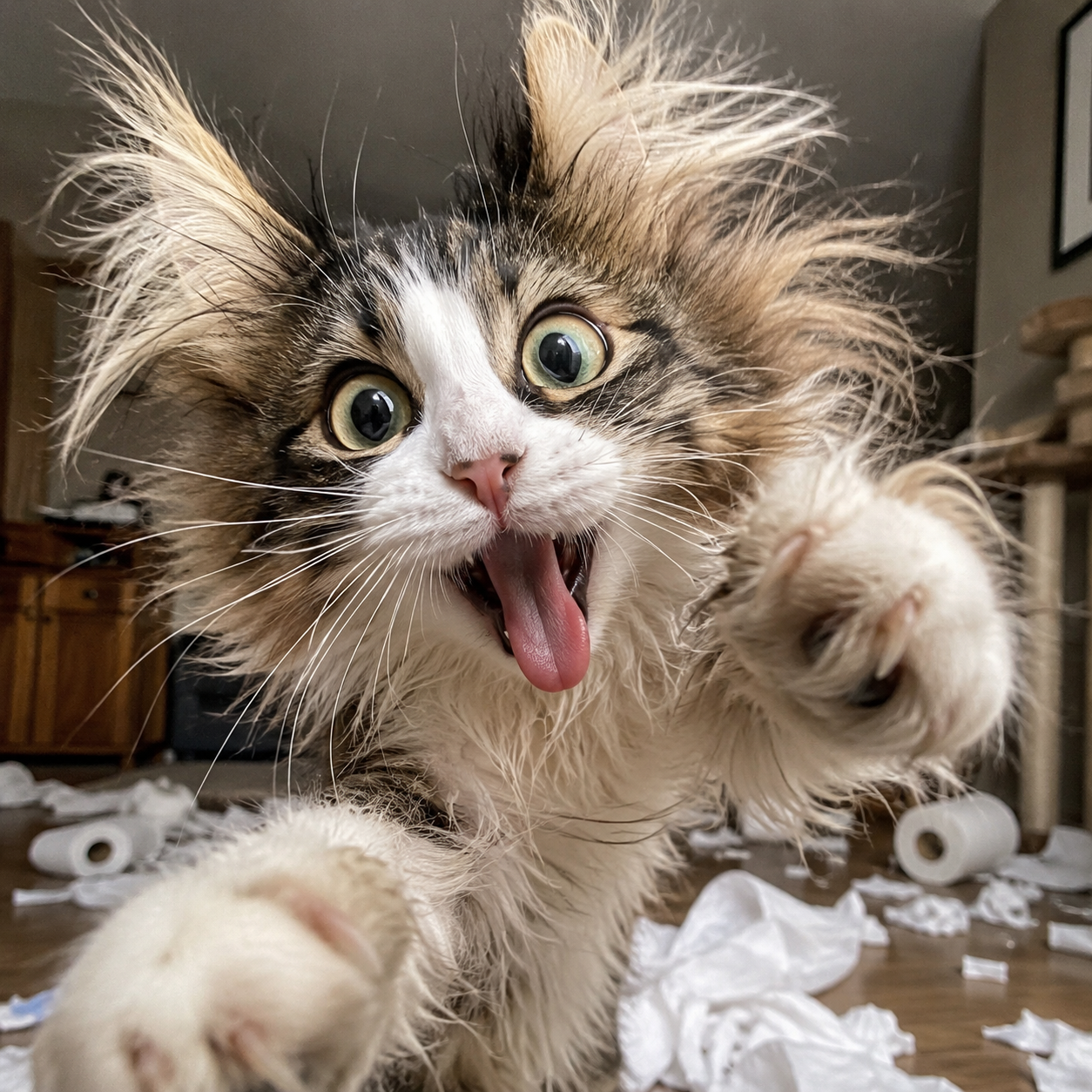
Crazy Cats: Understanding the Wild and Wonderful World of Felines
If you've ever watched your cat sprint through the house at lightning speed, leap onto the highest shelf, or suddenly attack a cardboard box like it's their greatest enemy, you've probably wondered what makes crazy cats act the way they do.
The truth is that most of these hilarious moments are perfectly normal. Cats are natural hunters with incredible instincts, endless curiosity, and surprising bursts of energy. Their "crazy" behavior often has logical explanations rooted in evolution—even if it looks completely ridiculous to us.
Whether you're a longtime cat owner or simply love watching funny cat videos online, this guide explores everything you need to know about crazy cats, why they behave the way they do, and how to keep your feline happy, healthy, and entertained.
What Makes Cats Seem So Crazy?
Cats have developed behaviors over thousands of years that helped them survive in the wild. Even the most pampered indoor cat still carries these instincts today.
Some common reasons cats appear "crazy" include:
Hunting instincts
High bursts of energy
Curiosity
Territorial behavior
Communication
Playfulness
Mental stimulation
Natural predator reflexes
Many behaviors that seem strange to humans are actually completely normal for cats.
The Famous Midnight Zoomies
One of the most recognizable crazy cat behaviors is the legendary zoomies.
Your cat may suddenly:
Sprint across the house
Race up and down stairs
Jump onto furniture
Skid around corners
Bounce off walls
These episodes usually happen because cats store energy throughout the day and release it all at once.
Zoomies are especially common:
Early morning
Late at night
After using the litter box
Following a long nap
After spotting prey outside
Why Cats Attack Invisible Things
Have you ever seen your cat stare intensely at an empty corner?
Then suddenly...
They pounce.
Nothing appears to be there.
While it might look spooky, cats have incredible senses.
They can detect:
Tiny insects
Dust particles
Sounds humans can't hear
Small movements
Light reflections
Air currents
Sometimes they're simply practicing hunting skills.
Cardboard Boxes Make Cats Go Crazy
One of the biggest mysteries is why cats adore cardboard boxes.
Boxes provide:
Security
Warmth
Hiding places
Observation points
Stress relief
Researchers have even found that cats often experience lower stress levels when they have access to enclosed hiding spaces.
Why Cats Knock Everything Off Tables
Your favorite mug.
Your pens.
Your phone.
Nothing is safe around certain cats.
Cats push objects off surfaces because they're:
Curious
Testing movement
Seeking attention
Hunting
Exploring textures
Bored
To a cat, watching an object fall can be fascinating.
The Mystery of Chattering at Birds
When cats sit in the window watching birds, they sometimes make rapid clicking or chattering noises.
Experts believe this behavior may be linked to:
Hunting excitement
Frustration
Instinctive prey responses
Muscle preparation for a bite
Regardless of the reason, it's one of the cutest crazy cat sounds.
Random 3 A.M. Energy Bursts
Cats are naturally crepuscular.
This means they're most active:
Dawn
Dusk
Unfortunately, many indoor cats decide that 3 a.m. is close enough.
To reduce nighttime craziness:
Play before bedtime
Feed a meal after playtime
Offer puzzle feeders
Keep a consistent schedule
Why Cats Love High Places
Cats naturally seek elevated positions.
Being high up allows them to:
Observe surroundings
Feel safe
Avoid conflict
Watch potential prey
Escape perceived danger
This explains why bookshelves, refrigerators, and cabinets become favorite hangouts.
Tail-Chasing Madness
Some cats occasionally chase their own tails.
Reasons include:
Play
Boredom
Extra energy
Hunting instinct
Curiosity
However, excessive tail chasing accompanied by biting or injury may warrant a veterinary visit.
Why Cats Suddenly Bite During Petting
Your cat is purring.
They're relaxed.
Then—bite!
This phenomenon is often called petting-induced overstimulation.
Cats can become overwhelmed after prolonged petting.
Watch for warning signs like:
Tail twitching
Flattened ears
Skin rippling
Dilated pupils
Sudden body tension
The Cat "Crazy Eyes"
Dilated pupils can make cats look especially wild.
Large pupils may indicate:
Excitement
Play mode
Fear
Hunting
Low lighting
Combined with crouching and twitching tails, this usually means playtime is about to begin.
Why Cats Run Sideways
The famous sideways hop is both adorable and hilarious.
Cats often:
Puff up
Arch their backs
Hop sideways
Bounce unpredictably
This playful display usually happens when they're excited or practicing defensive behaviors.
Kittens perform this especially often.
Crazy Cats and Catnip
Not every cat reacts to catnip.
For those that do, the effects can include:
Rolling
Zoomies
Purring
Drooling
Hyperactivity
Playfulness
The reaction usually lasts between 5 and 15 minutes before wearing off.
Why Cats Love Bags and Laundry
Cats are strangely attracted to:
Shopping bags
These objects provide:
Interesting smells
Comfortable textures
Enclosed spaces
Warmth
Always remove plastic bags that could pose a safety hazard.
Strange Sleeping Positions
Crazy cats often sleep in unbelievable positions.
Examples include:
Upside down
Folded in half
Hanging off furniture
Inside tiny containers
Curled into impossible shapes
Cats are incredibly flexible due to their unique skeletal structure.
Why Cats Suddenly Sprint After Using the Litter Box
Many owners notice post-litter-box zoomies.
Possible explanations include:
Relief
Excitement
Increased energy
Instinct to leave vulnerable areas quickly
In most healthy cats, this behavior is completely normal.
How to Keep Your Crazy Cat Happy
Cats thrive with physical and mental stimulation.
Try providing:
Interactive Toys
Laser pointers (always end with a physical toy)
Vertical Space
Install:
Puzzle Feeders
Reduce boredom
Encourage natural hunting
Slow eating
Provide enrichment
Daily Play Sessions
Aim for:
Two or three 10–15 minute play sessions
Interactive hunting games
Variety in toys
When Crazy Behavior Isn't Normal
Most unusual cat behaviors are harmless.
However, consult your veterinarian if your cat suddenly develops:
Aggression
Confusion
Loss of coordination
Excessive vocalization
Constant pacing
Self-injury
Sudden personality changes
Seizure-like episodes
Sudden behavioral changes can sometimes indicate an underlying medical condition.
Fun Facts About Crazy Cats
Cats can jump up to six times their body length.
They have over 20 muscles controlling each ear.
A cat's whiskers help measure tight spaces.
Cats sleep 12–16 hours each day on average.
Their flexible spine allows incredible athletic movements.
Every cat has a unique personality, making each one's "crazy" behavior a little different.
Why We Love Crazy Cats
Part of what makes cats so lovable is their unpredictability. One moment they're peacefully sleeping in a sunbeam, and the next they're racing through the hallway as if they're chasing an invisible opponent.
Their quirky habits, playful personalities, and hilarious expressions keep us entertained every day. While some of their antics may seem completely random, most are driven by natural instincts that have been part of feline behavior for thousands of years.
Understanding why cats do these things helps us appreciate their unique personalities even more. By providing enrichment, regular playtime, and a stimulating environment, you can encourage healthy outlets for your cat's endless energy while strengthening your bond together.
If your home has ever echoed with the sound of midnight zoomies, flying toys, and spontaneous leaps onto impossible surfaces, you're in good company. That's simply life with one of the world's most entertaining companions—a wonderfully crazy cat.