Silly Cats: Why Cats Do the Funniest Things (and What Their Behavior Really Means)
Silly Cats: Understanding the Funniest Feline Behaviors
If you've ever lived with a cat, you've probably witnessed at least one hilarious moment that left you laughing out loud. From unexpected midnight zoomies to squeezing into impossibly tiny boxes, silly cats have mastered the art of entertaining their humans.
While their antics may seem random, many funny cat behaviors actually have fascinating explanations rooted in instinct, communication, and play. Understanding why cats act so goofy can help strengthen your bond while making you appreciate their unique personalities even more.
Whether you're a lifelong cat owner or simply love watching funny cat videos online, this guide explores everything you need to know about silly cats and their delightfully weird habits.
Why Are Cats So Silly?
Cats evolved as highly skilled predators. Although today's house cats spend most of their lives lounging on couches, many of their strange behaviors come from instincts that helped their wild ancestors survive.
Their silliness often comes from:
Hunting instincts
Curiosity
Excess energy
Playfulness
Communication
Exploration
Attention-seeking
Environmental enrichment
Many behaviors that look ridiculous to us are actually completely normal feline actions.
The Famous Cat Zoomies
Perhaps the most recognizable silly cat behavior is the sudden burst of speed known as the "zoomies."
One minute your cat is peacefully sleeping.
The next?
They're sprinting through the house at full speed, bouncing off furniture and racing from room to room.
Why Cats Get the Zoomies
Zoomies usually happen because cats are:
Releasing stored energy
Practicing hunting movements
Feeling playful
Responding to excitement
Burning off energy after long naps
Young kittens may experience zoomies several times each day, while adult cats usually have shorter, less frequent episodes.
Why Cats Love Cardboard Boxes
No list of silly cats would be complete without mentioning their obsession with cardboard boxes.
You could buy your cat an expensive cat tree...
…and they'll choose the shipping box instead.
Why Boxes Are So Appealing
Boxes provide:
Security
Warmth
Hiding places
Stress reduction
Observation points
Cats feel protected inside enclosed spaces, making boxes one of the easiest ways to enrich their environment.
Funny Sleeping Positions
Cats somehow manage to sleep in positions that seem physically impossible.
Some favorites include:
Upside down
Curled into a tiny ball
Hanging halfway off furniture
Legs stretched straight upward
Face smashed against a wall
Twisted into pretzel shapes
Cats spend roughly 12–16 hours sleeping every day, so they're experts at finding creative ways to nap.
Chattering at Birds
Have you ever noticed your cat sitting by a window making rapid clicking sounds?
This adorable behavior is called chattering.
Although researchers aren't completely certain why cats chatter, experts believe it may be related to:
Hunting excitement
Frustration
Instinctive prey behavior
Mimicking prey sounds
Watching birds through the window often activates their natural hunting instincts.
Knocking Everything Off Tables
One of the funniest—and sometimes most frustrating—cat behaviors is intentionally pushing objects off shelves.
Your coffee mug.
Your pen.
Your phone.
Nothing is safe.
Why Cats Do It
Cats may knock things over because they are:
Curious
Testing gravity
Hunting moving objects
Seeking attention
Exploring textures
If something moves after they touch it, the interaction becomes even more rewarding.
Sitting in the Smallest Spaces
Cats seem convinced they can fit absolutely anywhere.
Shoeboxes.
Tiny sinks.
If they fit, they sit.
This behavior combines curiosity, comfort, and a desire for enclosed spaces that make them feel secure.
Random Midnight Energy Bursts
Many cat owners know the feeling:
It's 3:00 a.m.
Suddenly your cat decides it's time for a marathon.
Cats are naturally crepuscular, meaning they're most active around dawn and dusk. Indoor lighting and schedules can shift these activity periods into late-night play sessions.
The Slow Blink
Among all the silly expressions cats make, the slow blink is one of the sweetest.
When your cat slowly closes and opens their eyes while looking at you, they're expressing comfort and trust.
Many cat owners even return the slow blink as a way to communicate affection.
Crazy Toy Obsessions
Some cats ignore fancy electronic toys but become obsessed with:
Bottle caps
Crumpled paper
Cardboard scraps
Plastic rings
Simple objects often move unpredictably, making them resemble prey.
Always supervise play with small objects that could become choking hazards.
Tail Chasing
Some cats spin in circles chasing their own tails.
While kittens commonly do this during play, adult cats may occasionally chase their tails out of excitement or boredom.
If tail chasing becomes excessive or appears compulsive, a veterinarian should evaluate the behavior.
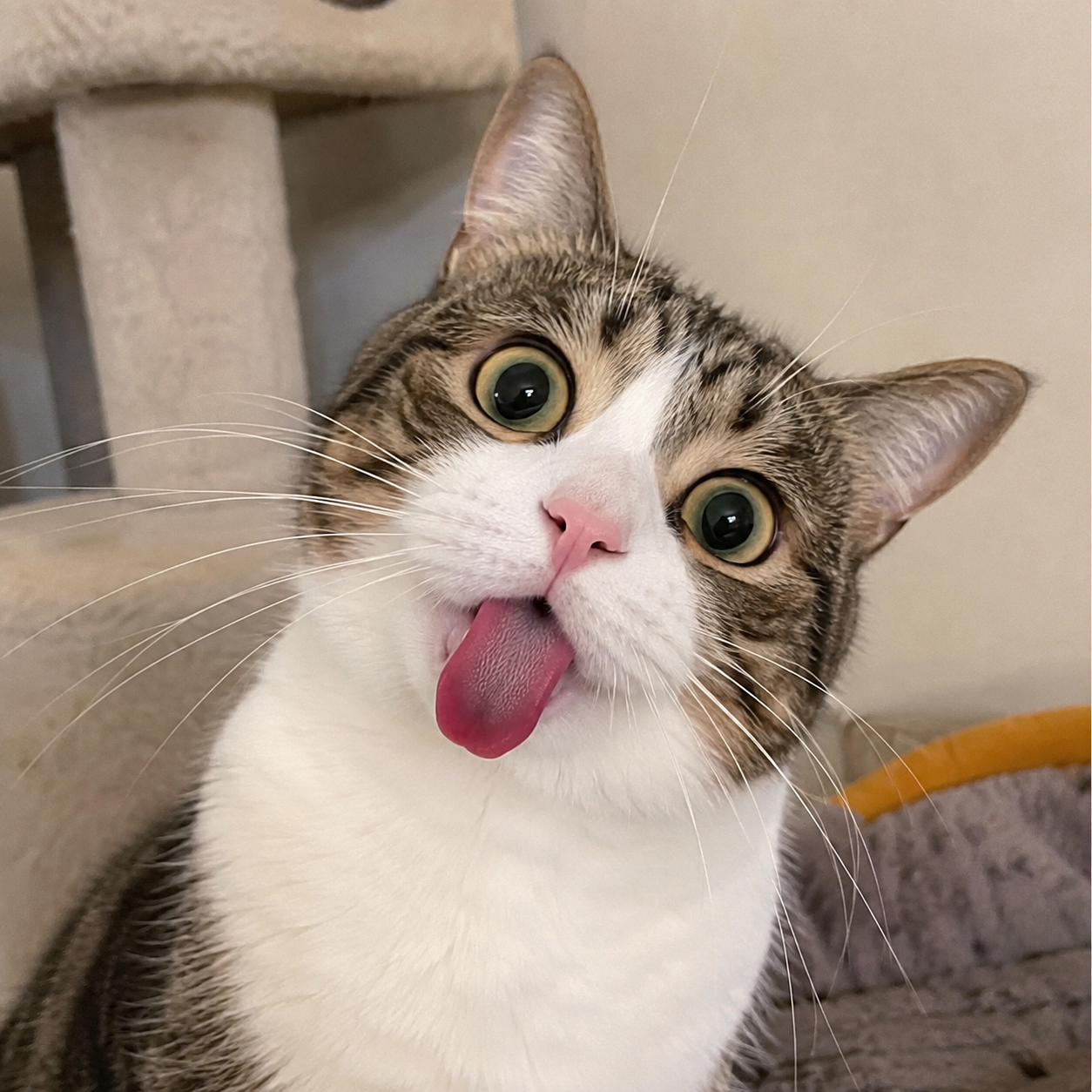
Why Cats Make Funny Faces
Cats have an incredible range of facial expressions.
Sometimes they:
Squint dramatically
Stick out their tongues
Wrinkle their noses
Open their mouths after smelling something unusual
One particularly funny expression is called the Flehmen Response.
This open-mouth "stinky face" helps cats analyze scents more effectively using a special organ located on the roof of the mouth.
Why Cats Love High Places
Cats naturally seek elevated spaces because they provide:
Safety
Better visibility
Warmth
Confidence
Observation opportunities
A tall cat tree can satisfy this instinct while protecting your furniture.
Funny Cat Sounds
Cats communicate with a surprising variety of vocalizations.
Besides meowing, they may:
Chirp
Trill
Chatter
Purr
Squeak
Yowl
Growl
Hiss
Every cat develops a unique "vocabulary" for communicating with their favorite humans.
Why Cats Suddenly Freeze
Sometimes cats become completely motionless while staring at absolutely nothing.
Usually they're detecting:
Tiny movements
Distant sounds
Insects
Shadows
Air currents
Their senses are significantly sharper than ours.
Belly Flops and Dramatic Rolls
Many silly cats suddenly flop onto their sides or backs while walking.
This usually indicates they feel relaxed and comfortable.
However, a belly display isn't always an invitation for belly rubs.
Many cats instinctively protect their stomachs and may grab your hand if touched unexpectedly.
Play Fighting
If you have multiple cats, you've probably witnessed dramatic wrestling matches.
Healthy play fighting usually includes:
Taking turns chasing
Gentle biting
Pouncing
Rolling
Pausing frequently
Real aggression generally involves growling, flattened ears, puffed fur, and attempts to escape.
The Importance of Play
Much of what we call "silly behavior" is actually healthy play.
Interactive play helps cats:
Stay physically active
Reduce stress
Prevent boredom
Build confidence
Strengthen bonds with owners
Aim for at least two interactive play sessions each day using feather wands, toy mice, or puzzle toys.
Can Cats Have Different Personalities?
Absolutely.
Just like people, every cat has a unique personality.
Some cats are:
Outgoing
Mischievous
Curious
Gentle
Athletic
Quiet
Affectionate
Independent
These differences make every cat special and contribute to the endless variety of funny behaviors owners experience.
Encouraging Healthy, Silly Behavior
You can help your cat express their playful side by providing:
Cardboard boxes
Daily play sessions
Mental stimulation is just as important as physical exercise.
When Funny Behavior Might Need Attention
Most silly cat behaviors are perfectly normal.
However, it's worth contacting your veterinarian if your cat suddenly develops:
Extreme hyperactivity
Compulsive tail chasing
Frequent aggression
Loss of coordination
Confusion
Sudden personality changes
Excessive vocalization
Signs of pain
Behavior changes can sometimes indicate underlying medical conditions.
Frequently Asked Questions
Why do cats randomly sprint around the house?
These bursts of energy, known as zoomies, help cats burn excess energy and express natural hunting instincts.
Why does my cat sit in tiny boxes?
Small enclosed spaces provide comfort, warmth, and security while allowing cats to observe their surroundings safely.
Why does my cat knock things off tables?
Cats are naturally curious. Pushing objects helps them explore movement, seek attention, and satisfy hunting instincts.
Why do cats suddenly stare at nothing?
Cats often notice sounds, scents, or tiny movements that humans cannot detect.
Are silly cats happier?
Playful behavior is generally a positive sign that a cat feels safe, comfortable, and mentally engaged, though every cat has its own personality.
Final Thoughts
Living with a silly cat means embracing unexpected moments of laughter every day. Whether they're racing through the hallway at midnight, squeezing into impossibly small boxes, making funny chirping noises at birds, or dramatically knocking pens off your desk, these quirky behaviors are part of what makes cats so lovable.
Most of these amusing antics are rooted in natural feline instincts like hunting, exploring, and playing. By providing enriching toys, climbing spaces, and daily interactive play, you can encourage your cat's playful personality while supporting their physical and mental well-being.
In the end, silly cats remind us that life is often more enjoyable when we pause to appreciate the little moments of curiosity, mischief, and joy that make our feline companions truly unforgettable.